.png?width=150&height=113&name=REVITALIZED%20PERFORMANCE%20LOGO%20HIGH%20RES%20(1).png "Physical Therapy Clinic in Manchester")
When you are a dedicated CrossFit athlete, every day sidelined by injury feels like a week. Whether you are dealing with a nagging shoulder or sharp knee pain during squats, your first question is likely: how long until I can get back to training?
At Revitalized Performance in Manchester, NH, we hear this often. Recovery is never a straight line, but understanding the factors that influence your timeline can help you stay motivated and focused. Our goal is not just to get you back to the gym — it is to ensure you return stronger and more resilient than before your injury.
The Individual Journey: Why Performance Physical Therapy Timelines Vary
Performance physical therapy is not a one-size-fits-all process with a predetermined endpoint. The duration of your treatment depends on the severity of your injury, your body's healing capacity, and your commitment to the program.
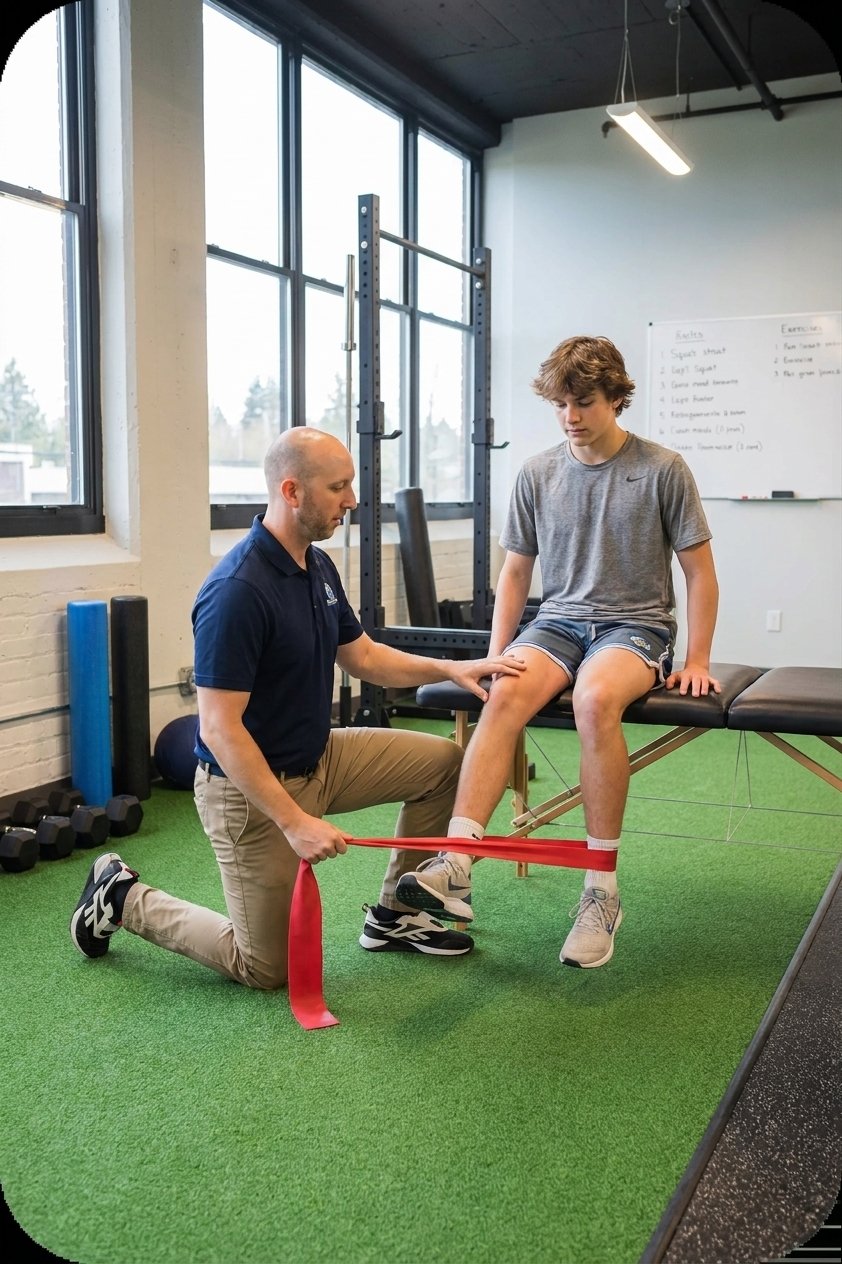
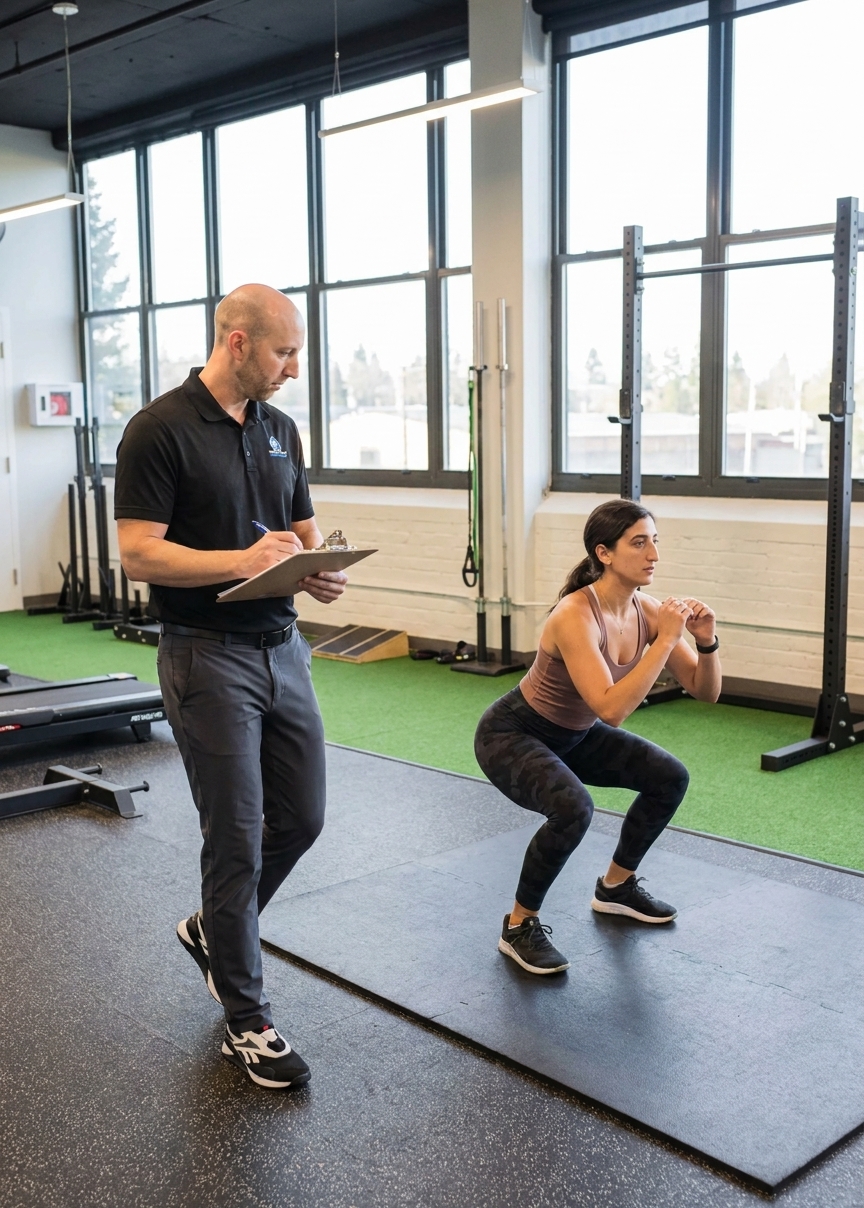
At Revitalized Performance, care is delivered one-on-one, meaning you are never left to follow a generic routine or share your session time with other patients. We begin with a comprehensive functional movement assessment and movement screen to understand exactly why your injury occurred. This personalized approach allows us to build a specific roadmap and give you a realistic expectation for when you can return to heavy lifts or high-intensity training.
Common Injuries and Recovery Timelines for CrossFit Athletes
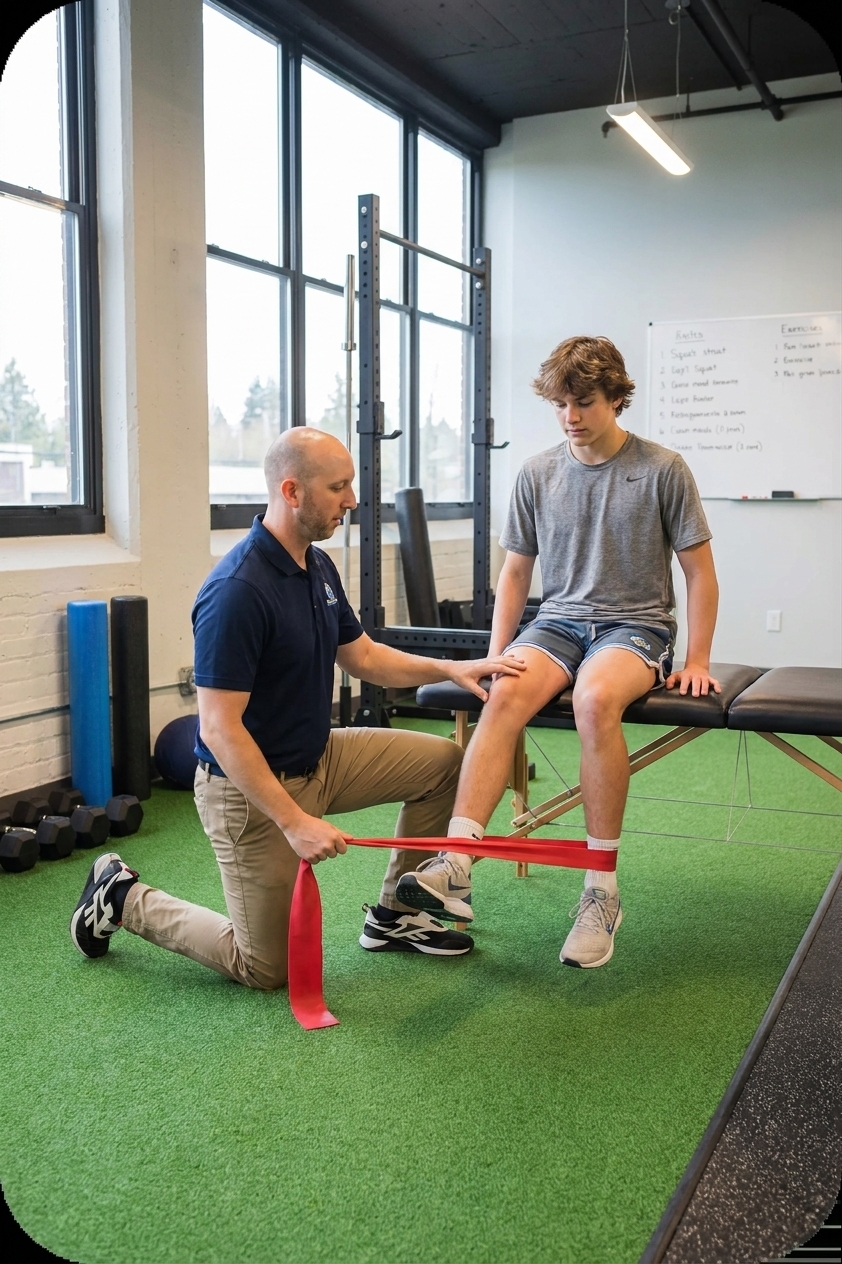
While every athlete heals differently, there are general recovery windows based on the type of tissue involved and the demands of your sport.
Low Back Pain and Sciatica
Low back pain is a common disruptor for CrossFit athletes in Manchester, particularly those performing complex movements like deadlifts or cleans. For many acute strains, significant relief is possible within 2 to 4 weeks of consistent care.
Truly addressing the root cause — such as hip mobility deficits or core instability — typically takes 6 to 12 weeks. At Revitalized Performance, we use targeted strength and conditioning and manual therapy to ensure your spine can handle the loads required for CrossFit performance.
Shoulder Impingement and Rotator Cuff Pain
Overhead movements like snatches and pull-ups frequently contribute to shoulder impingement and rotator cuff pain. Many athletes experience a meaningful reduction in pain and improved range of motion within 3 to 6 weeks.
Achieving full, pain-free overhead stability for high-level performance more commonly requires 8 to 16 weeks. Our therapists use dry needling to release muscle tension and joint mobilization to restore proper mechanics, while re-educating your shoulder movement patterns so you can return to the rig with confidence.
Runner's Knee and Patellofemoral Pain
Despite its name, runner's knee is a frequent complaint among CrossFit athletes who manage high-volume squatting and jumping. A noticeable decrease in pain is often achievable within 3 to 5 weeks.
Full resolution — which involves correcting imbalances across the hips and ankles — typically takes 6 to 12 weeks. We may incorporate Blood Flow Restriction (BFR) training, which allows you to build meaningful strength around the knee joint without the high joint stress of heavy loading. A movement screen or running gait analysis may also be used to identify contributing factors upstream.
Factors That Influence How Quickly You Recover
Your commitment to the process is the single most important variable in how fast you progress. Adhering to your prescribed therapeutic exercises and supporting your body's recovery outside of sessions directly impacts your healing speed.
At Revitalized Performance, our therapists serve as your expert guides — but you are the athlete doing the work. Consider these key factors:
- Consistent attendance and follow-through on your home exercise program
- Prioritizing sleep and managing stress to support tissue repair
- Avoiding the temptation to push through sharp or worsening pain
- Staying on top of mobility work between sessions
Because our therapists are athletes themselves — active in CrossFit and running — they understand the lifestyle demands you are navigating and can guide you through these adjustments with practical, sport-specific insight.
The Revitalized Performance Approach to Getting You Back
Revitalized Performance bridges the gap between traditional rehabilitation and peak athletic performance. We understand that "good enough" for daily life is not good enough for an athlete who wants to excel in the gym.
Our approach goes beyond treating the site of pain. We evaluate your entire movement chain to identify what contributed to the injury and what needs to change to prevent it from returning. Advanced modalities we use include:
- Dry needling and cupping for soft tissue recovery
- IASTM (Instrument-Assisted Soft Tissue Mobilization) to address fascial restrictions
- Joint mobilization and manipulation to restore mechanics
- Plyometrics and return-to-sport progressions to rebuild confidence and capacity
- Return-to-sport testing to confirm readiness before full clearance
Whether you are a competitive CrossFit athlete, a recreational lifter, or a runner in Manchester, NH, our sports physical therapy and performance training services are designed to meet you where you are and get you where you want to go.
Ready to Get Back to Peak Performance?
If you are tired of being sidelined and want a clear plan to return to the activities you love, it is time for a different approach. The right expertise can make your recovery time as efficient and effective as possible.
Contact Revitalized Performance in Manchester, NH today to book your discovery consultation. Stop managing pain and start chasing your next PR.